
Table of Contents
Black Christmas (1974): The Chilling Genesis of the Slasher Film
Explore the enduring legacy and terrifying impact of Bob Clark’s seminal horror masterpiece.

Short Summary (Non-Spoiler)
Bob Clark’s 1974 Canadian horror film, “Black Christmas,” stands as a landmark achievement in horror cinema, often cited as one of the earliest and most influential slasher films. Set during a sorority house’s holiday break, the film meticulously builds a suffocating atmosphere of dread as a series of increasingly disturbing phone calls and unsettling events plague the young women. What begins as a seemingly innocuous prank escalates into a terrifying fight for survival against an unseen, malevolent force lurking within the confines of their own home. The film is renowned for its groundbreaking use of point-of-view shots, its bleak and nihilistic tone, and its refusal to offer easy answers, leaving audiences with a lingering sense of unease that has cemented its status as a genre classic.

Plot Synopsis
“Black Christmas” opens in the quiet, snow-dusted town of Bedford, where the students of sorority house Pi Kappa Sigma are preparing for a holiday break. The atmosphere is one of youthful exuberance and anticipation for the festivities, but this is quickly shattered by a series of deeply disturbing and anonymous phone calls received by the sorority sisters. The caller, a distorted voice with a chilling cadence, makes obscene and threatening remarks, causing growing anxiety among the residents, particularly Jess Bradford (Olivia Hussey), who is already dealing with the complexities of an unwanted pregnancy and a strained relationship with her boyfriend, Rick (Keir Dullea).
As the calls become more aggressive and unsettling, the women begin to suspect that the perpetrator might be closer than they think. Their suspicions are amplified by the disappearance of their friend, Nancy (Andrea Martin), and the increasingly erratic behavior of Billy (Douglas Wray), a troubled young man who has been seen lurking around the neighborhood. The house, once a sanctuary, transforms into a claustrophobic trap. Strange noises, flickering lights, and unsettling shadows contribute to a mounting sense of paranoia. The police, represented by the weary Lieutenant Miller (John Saxon), are initially dismissive of the sisters’ fears, attributing the calls to pranksters, but the escalating violence soon forces them to take the threats more seriously.
The narrative expertly weaves together moments of genuine terror with glimpses into the characters’ personal lives, making their plight all the more relatable and frightening. The film masterfully utilizes sound design, particularly the disembodied voice on the phone and the creaking of the old house, to create a palpable sense of dread. The suspense builds relentlessly as the sisters become increasingly isolated and vulnerable, with no clear indication of who or what is tormenting them. The climax sees a desperate struggle for survival within the dimly lit sorority house, culminating in a shocking revelation that underscores the film’s bleak and unsettling vision of terror.

Spoilers
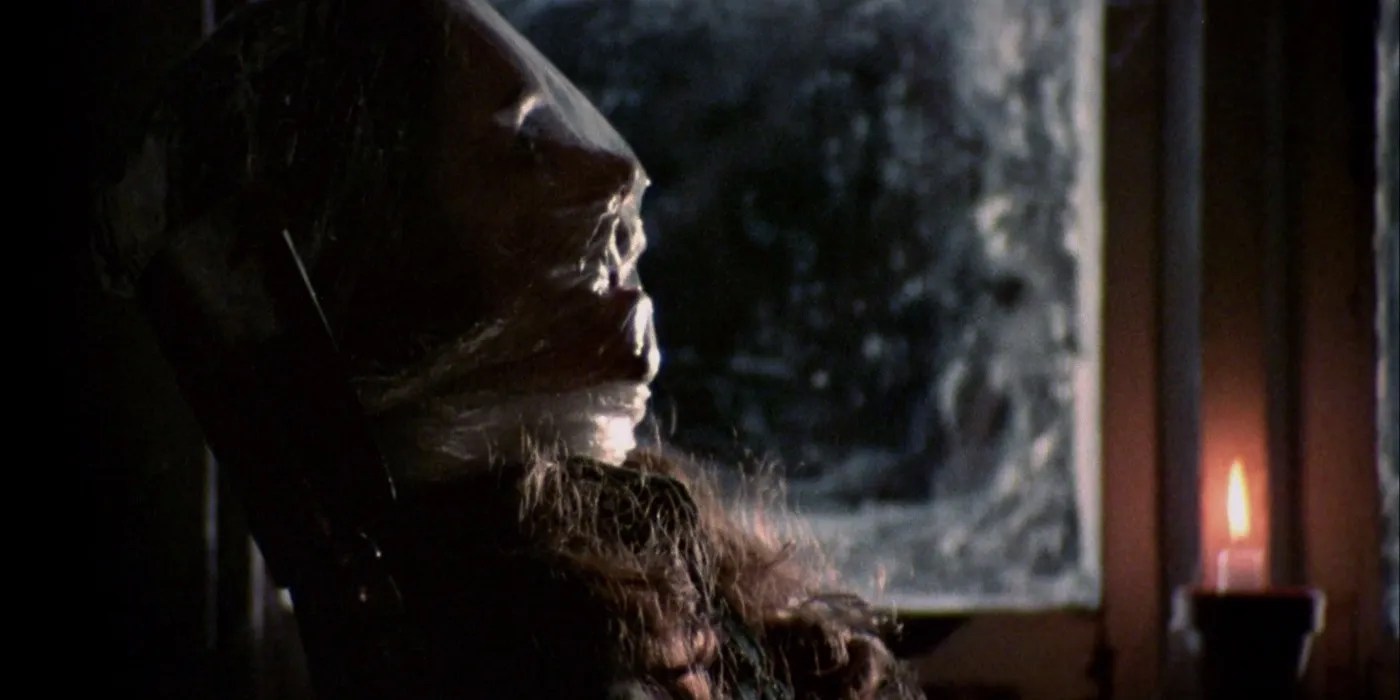
The true horror of “Black Christmas” lies in its ambiguity and the devastating realization that the threat is not only real but deeply personal and inescapable. After a terrifying night of escalating violence, including the murder of Barb (Margot Kidder) and the eventual discovery of Nancy’s body in an attic crawl space, Jess is left alone and in labor. Rick, who had been trying to protect her, is also murdered by the unseen assailant. In the film’s final moments, Jess, weakened and terrified, barricades herself in her room. Lieutenant Miller arrives, having discovered Billy’s disturbing family history – his father had murdered his mother and sister, and Billy had subsequently murdered his father, before being institutionalized. Miller believes Billy is the killer and assures Jess he will find him. However, as Miller leaves to search the house, the film delivers its most chilling blow: the camera pans to the telephone, and the distorted voice of Billy, now revealed to be the killer, is heard making another terrifying call, this time to Jess, taunting her. When Jess, in a desperate act of self-preservation, strangles Billy with a phone cord, she believes she has finally vanquished the threat. But as the police arrive to investigate the commotion, the final shot reveals the house’s landline phone ringing, and the killer’s voice is heard once more, implying that the torment is far from over and that the killer may have been someone else entirely, or that the madness has spread, leaving the audience with a profound sense of unresolved dread and the chilling understanding that some evil cannot be contained or explained.
Cast & Key Crew
“Black Christmas” boasts a compelling cast and a talented crew whose contributions were instrumental in crafting its enduring impact. Bob Clark, the director, helmed the project with a keen eye for suspense and atmosphere, drawing out nuanced performances from his ensemble.
- Olivia Hussey as Jess Bradford: The central protagonist, Hussey delivers a performance that balances vulnerability with growing resolve.
- Margot Kidder as Barb: Kidder brings a boisterous and cynical energy to the role, providing a stark contrast to Jess’s more reserved nature.
- Andrea Martin as Nancy: Martin’s portrayal of the more anxious and easily frightened sorority sister adds to the film’s escalating sense of dread.
- Keir Dullea as Rick: Jess’s boyfriend, Dullea navigates the complexities of their relationship amidst the unfolding terror.
- John Saxon as Lieutenant Miller: Saxon provides a grounded presence as the police detective, initially skeptical but increasingly concerned.
- Douglas Wray as Billy: The unseen tormentor, Wray’s chilling vocal performance is crucial to the film’s terrifying phone calls.
- Director: Bob Clark
- Screenplay: A. Roy Moore (credited as “Jean-Paul Sandulovitch” for contractual reasons)
- Producers: Gerald B. Olson, Bob Clark
- Cinematographer: Bert I. Goldberg
- Editor: Stan Cole
- Composer: Carl Zittrer
Production & Trivia
The production of “Black Christmas” was as intriguing as the film itself, marked by creative decisions and interesting behind-the-scenes details that contributed to its unique atmosphere and lasting legacy. The film was shot in Toronto, Canada, during a particularly cold winter, which naturally lent itself to the film’s bleak and isolating aesthetic. The sorority house itself, a prominent character in the film, was a real residence that the filmmakers were able to utilize, giving the setting an authentic and lived-in feel.
One of the most significant aspects of the film’s production was its innovative use of sound and camera work. Director Bob Clark and cinematographer Bert I. Goldberg employed early forms of subjective camerawork, often showing events from the killer’s perspective, a technique that was groundbreaking for its time and has since become a staple of the horror genre. This point-of-view (POV) approach immerses the audience directly into the terror, making them feel like they are either the victim or the perpetrator.
The disturbing phone calls, a central element of the film’s horror, were a collaborative effort. Douglas Wray provided the chilling, distorted voice of Billy, while the actual content of the calls was a mix of ideas, with some inspired by real-life prank calls that had reportedly occurred. The unsettling nature of these calls was amplified by the use of Carl Zittrer’s unnerving score, which often incorporated dissonant sounds and unsettling melodies to heighten the tension. The film’s original title was reportedly “Christmas Evil,” before being changed to “Black Christmas.”
The decision to leave the killer’s identity ambiguous for much of the film, and even in the end, was a deliberate choice by the filmmakers. This lack of concrete resolution was a departure from traditional horror narratives and contributed significantly to the film’s unsettling and enduring impact. It suggested that evil could be pervasive, unexplainable, and without a singular, easily identifiable source. The film’s unflinching portrayal of violence and its dark, pessimistic outlook were also quite daring for the era, setting it apart from many of its contemporaries and paving the way for future horror films to explore more disturbing themes.
Interestingly, the film’s initial reception was somewhat mixed, with some critics finding it too bleak and disturbing. However, over time, its reputation has grown exponentially, and it is now widely recognized as a seminal work that significantly influenced the slasher subgenre, predating films like “The Texas Chain Saw Massacre” (1974) and “Halloween” (1978) in its foundational elements.
Analysis
“Black Christmas” transcends its genre trappings to offer a chillingly prescient exploration of fear, isolation, and the fragility of perceived safety. Bob Clark’s masterful direction eschews jump scares in favor of a pervasive, creeping dread, a testament to the power of atmosphere and suggestion. The film’s genius lies in its refusal to provide easy answers or a clear-cut villain for much of its runtime. This ambiguity is not a flaw, but rather its most potent weapon, forcing the audience to confront their own anxieties and project their worst fears onto the unseen threat.
The sorority house, ostensibly a symbol of youthful camaraderie and security, becomes a claustrophobic prison. The snow-bound setting, while visually picturesque, serves to isolate the characters further, cutting them off from the outside world and any potential help. This geographical and psychological isolation is a crucial element in the film’s terror. The women are trapped within their own home, a space that should be safe, but which has been invaded by an unseen malevolence.
The film’s innovative use of point-of-view shots is particularly noteworthy. By frequently showing the action from the killer’s perspective, Clark blurs the lines between observer and perpetrator, implicating the audience in the unfolding horror. We are forced to see the world through the eyes of the threat, making the intrusion into the characters’ lives all the more visceral. This technique, coupled with the disembodied, distorted voice on the phone, creates a sense of omnipresence for the antagonist, amplifying the feeling of being constantly watched and vulnerable.
Beyond the immediate terror, “Black Christmas” can also be interpreted as a commentary on societal anxieties. The underlying themes of female autonomy and reproductive rights, particularly through Jess’s storyline, add a layer of social relevance that was perhaps not fully appreciated at the time of its release. The film subtly touches upon the pressures and judgments faced by women in the 1970s, and how these vulnerabilities could be exploited by a predatory force.
The film’s bleak ending, which offers no catharsis and suggests the cyclical nature of violence and terror, is one of its most enduring and impactful aspects. Unlike many horror films that provide a neat resolution, “Black Christmas” leaves the audience with a lingering sense of unease, questioning the nature of evil and its ability to persist. This nihilistic outlook was a significant departure for its time and has contributed to its status as a foundational text for the slasher genre, influencing countless films that followed in its wake, particularly in their exploration of vulnerable protagonists, isolated settings, and the terrifying unknown.
Notable Scenes & Easter Eggs
“Black Christmas” is replete with scenes that have become etched in the annals of horror cinema, each contributing to its suffocating atmosphere and enduring terror. The film masterfully builds suspense through a series of unsettling moments that, while not always overtly violent, plant seeds of dread in the audience’s mind.
- The Phone Calls: This is arguably the film’s most iconic element. The distorted, guttural voice of Billy, whispering obscenities and threats, is deeply disturbing. The sheer volume and persistence of these calls, often delivered with chilling taunts and unsettling laughter, create a palpable sense of anxiety and paranoia. The way the camera often lingers on the phone itself, as if it were a conduit for pure evil, is a masterstroke of visual storytelling.
- The “Moon” Scene: A particularly unsettling moment involves Barb looking out the window and seeing a figure in the moonlight, only for it to be revealed as a cat. This scene plays on the audience’s heightened state of fear, making them question what is real and what is a product of their own terror. It’s a classic example of misdirection and psychological manipulation.
- The Attic Discovery: The discovery of Nancy’s body in the attic crawl space is a gruesome and shocking moment. The cramped, dark space, filled with the remains of past lives, amplifies the horror. The way the body is positioned, almost like a grotesque doll, adds to the unsettling nature of the reveal.
- The POV Shots: As mentioned in the analysis, the frequent use of point-of-view shots from the killer’s perspective is a defining characteristic of the film. These shots place the audience directly into the killer’s eyes, creating an intimate and terrifying connection to the violence. We see the sisters through the killer’s gaze, making their vulnerability all the more stark.
- The Final Revelation (or Lack Thereof): The film’s conclusion, with the ambiguous nature of the killer’s identity and the final ringing phone, is a deliberate and impactful choice. It’s less an Easter egg and more a masterclass in leaving the audience with questions. Is Billy truly dead? Was there another killer? The unresolved nature of the ending is what makes it so haunting and memorable.
- The Film Within the Film: While not a prominent plot point, the brief mention and implied viewing of a film within the sorority house can be seen as a meta-commentary on the nature of horror itself, a reflection of how audiences consume and are affected by scary stories.
These scenes, combined with the film’s pervasive atmosphere of unease, contribute to its lasting impact and have cemented its place as a touchstone in horror cinema. The film’s ability to generate terror through suggestion and psychological manipulation, rather than gratuitous gore, is a testament to its sophisticated filmmaking.
Reception & Box Office
Upon its initial release, “Black Christmas” received a decidedly mixed reception from critics, a common fate for many groundbreaking horror films that push the boundaries of audience expectations. Some reviewers found the film’s bleak tone, graphic violence, and ambiguous ending to be overly disturbing and gratuitous. Critics who were accustomed to more conventional horror narratives struggled with its relentless sense of dread and its refusal to offer a clear-cut hero or a satisfying resolution.
However, a segment of critics recognized the film’s artistic merits and its significant contribution to the horror genre. They lauded Bob Clark’s confident direction, the suffocating atmosphere, and the nuanced performances, particularly from Olivia Hussey and Margot Kidder. The film’s innovative use of point-of-view shots and its pioneering approach to suspense were also noted as being particularly effective.
Despite the divided critical response, “Black Christmas” found a dedicated audience, particularly among horror enthusiasts who appreciated its darker, more psychological approach to terror. The film was a moderate commercial success, though precise box office figures from its initial 1974 release are not as widely documented as they are for modern blockbusters. It is estimated to have grossed around $4 million in North America. While this figure might seem modest by today’s standards, it was a respectable return for a low-budget independent film of its era and was sufficient to recoup its production costs and generate a profit.
Over the decades, the critical and popular perception of “Black Christmas” has evolved significantly. It is now widely regarded as a seminal work of horror cinema, a crucial precursor to the slasher boom of the late 1970s and 1980s. Its influence can be seen in countless subsequent films, from “Halloween” to “When a Stranger Calls,” both of which share thematic and stylistic similarities. The film’s reputation has solidified through home video releases, repertory screenings, and continued critical re-evaluation, leading to its current status as a beloved and essential classic within the horror canon.
Recommended Editions & Where to Buy/Stream
For fans eager to experience the chilling terror of “Black Christmas” (1974), several excellent home video editions are available, offering enhanced visual and audio quality, as well as valuable bonus features that delve into the film’s production and legacy. The film has seen numerous releases over the years, with certain editions standing out for their comprehensive restorations and supplementary materials.
- Scream Factory Blu-ray/DVD: This is arguably the definitive release for fans of “Black Christmas.” Scream Factory, known for its meticulous restorations of horror classics, offers a stunning transfer with excellent picture and sound quality. Their editions typically include a wealth of bonus features such as new interviews with cast and crew, audio commentaries, behind-the-scenes documentaries, trailers, and TV/radio spots. This is the go-to edition for collectors and serious fans.
- Second Sight Films Blu-ray (UK): For those in the UK and Europe, Second Sight Films also offers a highly regarded Blu-ray release that boasts a superb transfer and a strong selection of special features, often mirroring or complementing those found on the Scream Factory version.
- Other Previous Releases: Older DVD releases from Anchor Bay Entertainment and others are also available and may be more budget-friendly, though they may lack the high-definition quality and extensive bonus content of the newer Blu-ray editions.
Where to Buy:
- Online Retailers: Amazon, Barnes & Noble, DiabolikDVD, and other specialized online stores are excellent sources for purchasing Blu-ray and DVD editions.
- Specialty Stores: Local independent video stores or specialty film shops may also carry these editions.
Where to Stream:
- Streaming availability can vary by region and platform. It is advisable to check major streaming services such as Amazon Prime Video, Hulu, YouTube Movies, Google Play, and Apple TV for current rental or purchase options. The film may also be available on niche horror streaming platforms. Availability can change, so it’s recommended to search directly on your preferred platform.
When choosing an edition, consider the quality of the transfer and the bonus features that interest you most. The Scream Factory and Second Sight releases are generally considered the gold standard for experiencing “Black Christmas” at home.
Further Reading / Filmography Suggestions
For those who have been captivated by the chilling atmosphere and groundbreaking terror of Bob Clark’s “Black Christmas” (1974), a wealth of further reading and related filmography suggestions can deepen your appreciation for this seminal horror work and its place in cinematic history.
Books on Horror Cinema & Slasher Films:
- Men, Women, and Chain Saws: Gender, Sex, and the Family in the Horror Film by Carol J. Clover: A foundational text for understanding the slasher genre, Clover’s work offers insightful analysis of the “final girl” trope and the thematic underpinnings of horror films.
- The Horror Films of the 1970s by John McCarty: This book provides a comprehensive overview of the decade’s horror output, with dedicated sections often discussing influential films like “Black Christmas.”
- Slasher Films: An Oral History by Michael Biehn and J.W. Cortes: While the title might suggest a focus on later films, oral histories often uncover the roots and influences of the genre, potentially offering insights into “Black Christmas.”
- Hollywood Gothic: The Tangled Web of Dracula, Frankenstein, The Wolf Man, and Other Monsters in the Studio Era Films by David J. Skal: While focused on earlier horror, Skal’s work provides essential context for the evolution of horror filmmaking and thematic development.
Other Bob Clark Films to Explore:
- Children Shouldn’t Play with Dead Things (1972): Another early horror effort from Clark, this zombie film is known for its dark humor and experimental nature, showcasing his developing directorial voice.
- Deathdream (aka Dead of Night) (1972): A haunting and psychologically disturbing film about a soldier who returns from Vietnam seemingly unchanged but with a sinister presence.
- A Christmas Story (1983): While a stark contrast in genre, Clark’s beloved holiday classic demonstrates his talent for capturing nostalgic atmosphere and character-driven storytelling, showcasing his versatility.
Influential and Related Slasher Films:
- The Texas Chain Saw Massacre (1974): Released in the same year, this raw and visceral film shares “Black Christmas’s” bleak outlook and unsettling realism.
- Halloween (1978) 🎬 🛍️: John Carpenter’s masterpiece, which codified many slasher conventions, owes a significant debt to the groundwork laid by “Black Christmas.”
- When a Stranger Calls (1979): This film directly borrows the “killer on the phone” trope and features a famously suspenseful opening sequence.
- Psycho (1960) 🛍️: Alfred Hitchcock’s seminal thriller, with its focus on psychological terror and a shocking reveal, was a significant precursor to the slasher genre.
Exploring these resources will provide a deeper understanding of the historical context, thematic resonance, and lasting impact of “Black Christmas,” solidifying its status as a vital piece of horror cinema history.
Conclusion
Black Christmas (1974) endures as a chilling cornerstone of holiday horror, a film that dared to blend festive cheer with unrelenting menace. Its legacy is more than just the birth of the slasher—it’s a reminder of how horror thrives on contrasts and cultural context. Bob Clark’s masterful direction, coupled with a script that prioritizes atmosphere and psychological dread over gratuitous gore, created a blueprint for the slasher genre that would dominate horror for decades to come. Its chilling depiction of vulnerability, isolation, and the insidious nature of an unseen threat continues to resonate with audiences, proving that some evils are best left unexplained and some fears are rooted in the very places we should feel safest.
The film’s legacy is undeniable, having paved the way for countless imitators and inspiring a generation of filmmakers. Its innovative techniques, from the subjective point-of-view shots to the disembodied, menacing phone calls, have become hallmarks of the genre. More than just a scary movie, “Black Christmas” is a sophisticated exploration of fear, a testament to the power of suggestion, and a chilling reminder that true horror often lies in the unknown. Its enduring power lies in its refusal to offer easy answers, leaving viewers with a lingering sense of dread that speaks volumes about the darkness that can lurk just beyond the perceived safety of our everyday lives.
Whether you are a seasoned horror aficionado or a newcomer to the genre, “Black Christmas” is an essential watch, a chilling masterpiece that continues to chill to the bone with its timeless terror.
- Canadian Origins: This is not just an American-style slasher; it’s a Canadian production that carved its own place in cinema history.
- Festive Contrast: The unsettling clash between twinkling lights, carols, and brutal suspense is the film’s defining hook.
- Critical Reevaluation: From modest box office beginnings to cult classic status, its reputation has grown steadily over the decades.
- Legacy Films: Its DNA runs through Halloween (1978) and countless holiday horrors—perfect for linking readers to related posts like Silent Night, Deadly Night or Krampus.
- Runtime: 98 minutes
- Score Composer: Carl Zittrer
Related Products on Amazon:

We may earn a small commission from purchases made through these links.

Leave a Reply