
Introduction: The Road So Far
When Supernatural premiered on The WB on September 13, 2005, few could have predicted it would become one of the longest-running genre series in television history. Created by Eric Kripke, the show began as a gritty, Americana-infused horror road trip following two brothers—Sam and Dean Winchester—as they hunted monsters across the backroads of America. But over 15 seasons and 327 episodes, Supernatural evolved into a sprawling mythological epic, exploring themes of destiny, free will, family, and the nature of good and evil.
At its heart, Supernatural is a story about family—not just the blood bond between the Winchester brothers, but the chosen family they build along the way. It’s also a show that never shied away from reinvention, blending horror, fantasy, comedy, drama, and meta-commentary into a unique narrative tapestry. From urban legends to biblical apocalypse, from ghost towns to cosmic battles, Supernatural carved out a space where folklore met philosophy, and where fans found a home.
The series cultivated one of the most passionate fandoms in television history, spawning conventions, fan fiction, academic studies, and even influencing the trajectory of genre TV itself. Its legacy lives on not just in spin-offs like The Winchesters, but in the way it redefined what long-form storytelling could look like on network television.
🛻 Season 1: Hunting Things, Saving People
The Premise

Season 1 introduces us to Sam and Dean Winchester, two brothers raised in the shadow of tragedy. Their mother, Mary, was killed by a mysterious supernatural force when Sam was just a baby. Their father, John Winchester, became a hunter—tracking and killing supernatural entities—and raised his sons to follow in his footsteps. But while Dean embraced the life, Sam sought normalcy, leaving for Stanford and trying to escape the family business.
The pilot episode sets the tone: Dean shows up at Sam’s door, saying their father is missing. When Sam’s girlfriend Jessica is killed in the same way their mother was, he joins Dean on the road. Thus begins their journey across America in a black 1967 Chevy Impala, hunting monsters, saving people, and uncovering the truth behind their family’s past.
Structure and Style
Season 1 is largely episodic, with a “monster-of-the-week” format. Each episode introduces a new urban legend, myth, or creature—from wendigos and shapeshifters to Bloody Mary and Hook Man. This format allows the show to explore American folklore while slowly building its mythology.
The tone is gritty and grounded, with a heavy emphasis on atmosphere. The cinematography leans into shadows and muted colors, evoking classic horror films. The soundtrack, filled with classic rock from bands like Kansas, AC/DC, and Metallica, becomes a signature element of the show’s identity.
Key Episodes
- Pilot: Establishes the brothers, their mission, and the mystery of their mother’s death.
- “Skin”: Introduces shapeshifters and explores Dean’s identity through a doppelgänger.
- “Home”: The brothers return to their childhood house, confronting trauma and the lingering presence of their mother.
- “Scarecrow”: A chilling tale of pagan gods and small-town sacrifice.
- “Devil’s Trap”: The season finale brings the brothers face-to-face with demons and sets up the larger mythology.
Character Development
- Dean Winchester (Jensen Ackles): Loyal, sarcastic, and emotionally guarded. Dean is the quintessential older brother, carrying the weight of the family and hiding his pain behind bravado.
- Sam Winchester (Jared Padalecki): Sensitive, introspective, and driven by a desire for normalcy. Sam’s arc begins with resistance to the hunting life but slowly reveals his deeper connection to the supernatural.
Season 1 lays the groundwork for the series’ central themes: the burden of legacy, the tension between fate and free will, and the enduring bond between brothers. It’s a slow burn, but one that rewards patience with rich character work and atmospheric storytelling.
🔥 Season 2: The War Begins
Picking Up the Pieces
Season 2 opens in the aftermath of the Season 1 finale, where the Winchester brothers and their father, John, are involved in a devastating car crash caused by the demon Azazel (aka the Yellow-Eyed Demon). The emotional tone shifts immediately—this season is darker, more introspective, and more serialized. The monster-of-the-week format remains, but the overarching narrative of demon war and Sam’s mysterious powers begins to take center stage.

John sacrifices himself to save Dean, trading his life and the Colt (a demon-killing gun) to Azazel. This act sets off a chain of consequences that ripple through the rest of the series. Dean is burdened with guilt and the secret of what his father told him before dying: that Sam might not be entirely human.
The Rise of the Special Children
One of the major arcs in Season 2 is the revelation that Sam is one of several “Special Children”—young adults who were visited by Azazel as infants and given psychic abilities. These powers vary: telekinesis, mind control, precognition. Sam’s visions become more frequent and intense, hinting at a larger destiny.
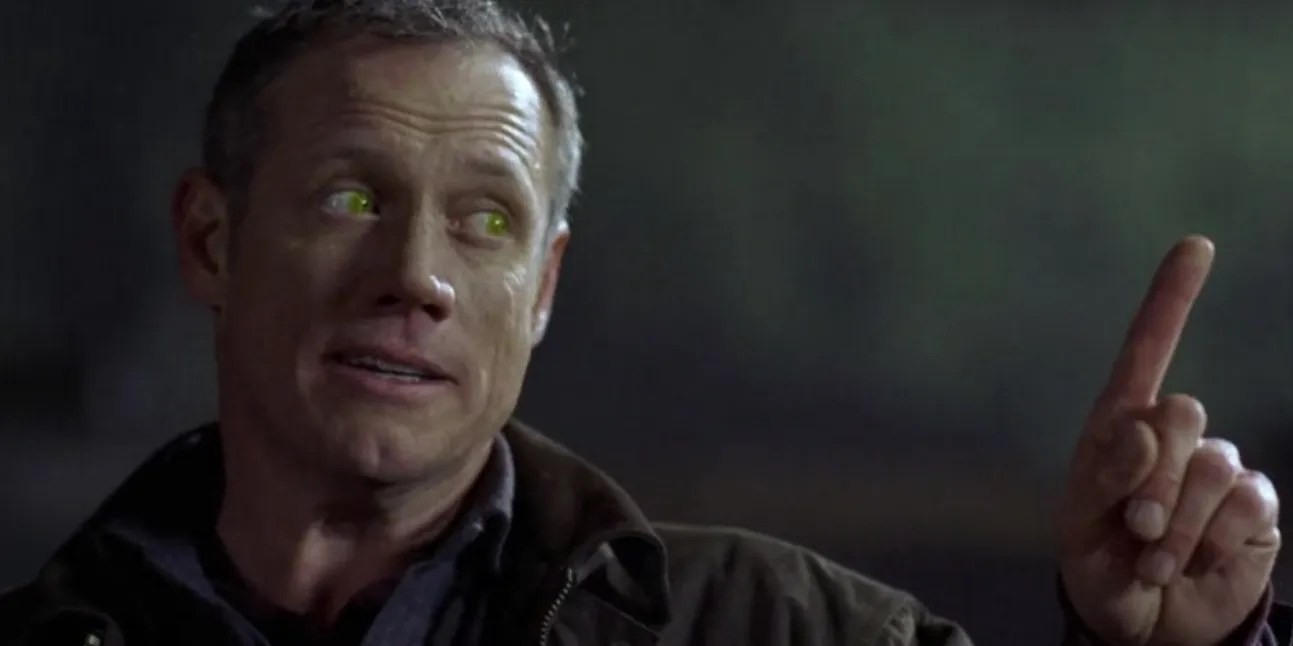
This storyline introduces other Special Children like Ava Wilson and Andy Gallagher, each with unique abilities and moral dilemmas. The tension builds toward the idea that these children are being groomed for a demonic purpose, possibly to lead Hell’s army.
Key Episodes
- “In My Time of Dying”: A haunting opener where Dean is trapped between life and death, and John makes his fateful deal.
- “Children Shouldn’t Play with Dead Things”: Explores grief and resurrection through a zombie-like creature.
- “Croatoan”: Introduces a demonic virus and foreshadows apocalyptic themes.
- “Heart”: A tragic love story involving a werewolf, showcasing Sam’s emotional depth.
- “All Hell Breaks Loose” (Parts 1 & 2): The explosive two-part finale where Sam dies, Dean makes a deal with a crossroads demon, and the gates of Hell are opened.
Character Evolution
- Dean: Struggles with survivor’s guilt and the weight of his father’s secret. His decision to sell his soul to bring Sam back marks a turning point in his arc—he’s willing to sacrifice everything for family.
- Sam: Grapples with his identity and the fear that he might be destined for evil. His empathy and moral compass remain strong, but the pressure mounts.
Mythology Expansion
Season 2 introduces several key elements that become central to Supernatural’s lore:
- Crossroads Demons: Deals with demons become a recurring motif, exploring themes of desperation and consequence.
- The Colt: A legendary weapon capable of killing almost anything supernatural.
- Hell’s Gate: The finale unleashes dozens of demons into the world, setting the stage for future seasons.
Tone and Themes
The tone is more mature and emotionally resonant. Themes of sacrifice, destiny, and moral ambiguity begin to dominate. The show also starts to explore the idea that not all monsters are evil, and not all humans are good—a nuance that adds depth to its horror roots.
⏳ Season 3: The Clock Is Ticking
The Deal and the Deadline
Season 3 begins with a ticking time bomb: Dean has one year to live. After making a deal with a crossroads demon to resurrect Sam, Dean’s soul is bound for Hell. This looming deadline adds urgency and emotional weight to every episode. The brothers are no longer just hunting monsters—they’re racing against fate.
The season also introduces a new breed of villain: the demons unleashed from Hell’s Gate at the end of Season 2. These aren’t just mindless monsters—they’re organized, strategic, and terrifying. Chief among them is Lilith, a powerful demon who becomes the season’s Big Bad and a major player in the series’ mythology.
Production Challenges and Impact
Due to the 2007–2008 Writers Guild of America strike, Season 3 was cut short—only 16 episodes instead of the usual 22. Despite this, the season is tightly written, emotionally resonant, and packed with memorable moments. The shortened run forced the writers to focus on core themes and character arcs, resulting in some of the most impactful storytelling of the early series.
Key Episodes
- “The Magnificent Seven”: Opens with the Seven Deadly Sins as literal demons—setting the tone for a season of moral complexity.
- “Bad Day at Black Rock”: A comedic gem featuring a cursed rabbit’s foot and Sam’s hilarious streak of bad luck.
- “Mystery Spot”: A fan-favorite time loop episode where Sam relives Dean’s death over and over—exploring grief, obsession, and the fragility of time.
- “Jus in Bello”: A siege episode set in a police station, showcasing the brothers’ tactical skills and the growing threat of demonkind.
- “No Rest for the Wicked”: The devastating finale where Dean is dragged to Hell in one of the show’s most haunting cliffhangers.
Character Arcs
- Dean: Faces his mortality head-on, masking fear with bravado. His arc this season is about legacy—what kind of man he is, and what he leaves behind. His descent into fatalism is heartbreaking and heroic.
- Sam: Becomes increasingly desperate to save Dean, even considering dark magic and alliances. His moral compass begins to blur, foreshadowing future struggles.
New Allies and Enemies

- Ruby: A mysterious demon who claims to want to help Sam. Her motives are murky, and her introduction adds layers to the demon mythology.
- Bela Talbot: A morally ambiguous thief who deals in supernatural artifacts. Her arc is divisive among fans but adds a new flavor to the show’s dynamic.

Themes and Tone
Season 3 leans heavily into themes of sacrifice, moral compromise, and the inevitability of death. The tone is darker, more philosophical, and emotionally raw. The show begins to ask hard questions: What would you do to save someone you love? How far is too far?
The horror elements remain strong, but there’s a growing sense of mythic storytelling. The stakes are no longer just personal—they’re cosmic.
👼 Season 4: Angels, Demons, and Destiny
Resurrection and Revelation
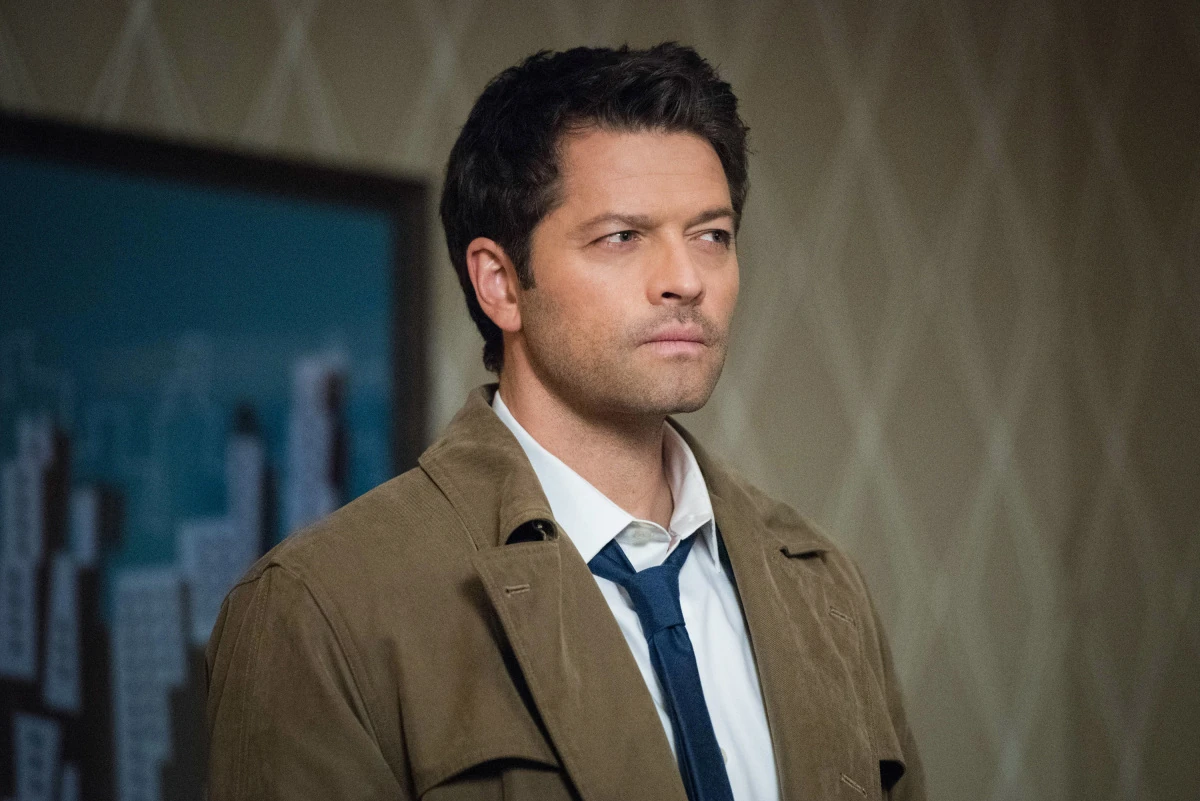
Season 4 opens with a bang—literally. Dean Winchester, who was torn apart by hellhounds and sent to Hell at the end of Season 3, wakes up in a coffin. He’s been resurrected by an angel named Castiel, marking the first time angels appear in the series. This moment changes everything. Heaven is real, angels are warriors, and Dean has a role to play in a divine plan.
The season explores the idea of free will vs. destiny. Dean learns he was saved for a reason: to stop the apocalypse. Sam, meanwhile, is hiding a dark secret—he’s been drinking demon blood and training with Ruby to kill Lilith. The brothers’ bond begins to fracture under the weight of secrets, guilt, and cosmic manipulation.
Theological Expansion
Season 4 introduces a rich theological mythology:
- Angels: Not the gentle guardians of pop culture, but fierce, militaristic beings with their own agendas.
- Prophets and Seals: The apocalypse is triggered by breaking 66 seals, and Lilith is working to unleash Lucifer.
- Heaven and Hell Politics: Both realms are revealed to be bureaucratic, hierarchical, and morally complex.
This season also begins to explore biblical lore, reinterpreting it through the show’s gritty lens. The Book of Revelation becomes a blueprint for the end times, and the Winchester brothers are caught in the middle.
Key Episodes
- “Lazarus Rising”: Dean’s resurrection and Castiel’s introduction—one of the most iconic episodes in the series.
- “In the Beginning”: Dean travels back in time to meet his young parents and learns about Azazel’s plan.
- “On the Head of a Pin”: Dean tortures Alastair and confronts his role in Hell—emotionally devastating and morally complex.
- “The Monster at the End of This Book”: Introduces Chuck Shurley, a prophet who writes Supernatural as a book series—beginning the show’s meta-narrative.
- “Lucifer Rising”: The season finale where the final seal is broken, and Lucifer begins to rise.
Character Arcs
- Dean: Struggles with the trauma of Hell and the burden of being Heaven’s chosen. His arc is about reclaiming agency in a world that sees him as a pawn.
- Sam: Descends into moral ambiguity, believing he must embrace darkness to defeat it. His addiction to demon blood mirrors real-world struggles with power and control.
- Castiel: Introduced as a soldier of Heaven, but begins to question orders and develop empathy. His arc sets the stage for future rebellion.
Themes and Tone
Season 4 is steeped in existential dread, moral ambiguity, and spiritual warfare. The tone is darker, more philosophical, and emotionally intense. The show begins to ask profound questions: What is destiny? Can redemption be earned? Is faith a strength or a trap?
The horror elements remain, but they’re now layered with theological symbolism and cosmic stakes. The brothers are no longer just hunters—they’re potential saviors or destroyers of the world.
If you have ever thought about watching the series there are at least 4 seasons of reasons!!
Bonus Feature
Locations! Locations! Locations!
You scrolled to the end of the post and so you earn the right to have access to out Bonus Feature: A map of all the locations in Seasons 1 – 4 so you can have an idea where in the US the boys are in any given episode:
[googlemaps https://www.google.com/maps/d/u/0/embed?mid=1p82PJRjSNMwyL_z5g9y9n0-iIhQrEBA&ehbc=2E312F&noprof=1&w=640&h=480%5DOr visit:
https://www.google.com/maps/d/u/0/edit?mid=1p82PJRjSNMwyL_z5g9y9n0-iIhQrEBA&usp=sharing
Related Products on Amazon:

We may earn a small commission from purchases made through these links.



Leave a Reply