

Table of Contents
When Your Biggest Fan Becomes Your Worst Nightmare
Ever had a fan letter that felt a little *too* enthusiastic? You know, the kind that makes you wonder if they’ve memorized your grocery list? Well, buckle up, buttercups, because Stephen King’s Misery (1990) takes that unsettling feeling and cranks it up to eleven, then smashes the dial. This isn’t your typical jump-scare fest; it’s a psychological slow burn that burrows under your skin and stays there, much like a certain obsessive fan might try to do with a hobbled writer.

Rob Reiner’s 1990 adaptation of King’s chilling novel is a masterclass in claustrophobic terror. It strips away the supernatural elements that often define King’s work and grounds the horror in something far more terrifyingly plausible: human obsession gone horribly, horribly wrong. Forget ghosts and ghouls; the real monster here is a person, and she’s armed with a surprisingly effective understanding of anatomy and a deep-seated need for validation. It’s a film that reminds us that sometimes, the scariest things aren’t lurking in the shadows, but sitting right next to you, clutching a manuscript.

This review will delve into what makes “Misery” such a standout in the horror-thriller genre, exploring its gripping narrative, unforgettable performances, and the sheer, unadulterated dread it conjures. We’ll also touch upon its lasting impact and why, even decades later, Annie Wilkes remains one of cinema’s most terrifying antagonists. So, grab your favorite comfort blanket – you might need it.
The Unraveling of a Fan’s Devotion
The premise of “Misery” is deceptively simple, yet its execution is anything but. It centers on Paul Sheldon, a celebrated author who pens popular romance novels featuring the character Misery Chastain. Seeking a change of pace and a way to escape his creation, Paul decides to kill off his beloved heroine in his latest manuscript. This decision, however, proves to be a fatal mistake for his personal well-being.

After a severe car accident during a blizzard, Paul wakes up in the remote Colorado home of Annie Wilkes, a former nurse and his “number one fan.” Initially, Annie seems like a godsend, tending to his broken body with a seemingly benevolent care. But as Paul recovers, Annie’s true nature begins to surface. Her adoration quickly morphs into a possessive, terrifying obsession. She’s not just a fan; she’s a captor, and she has no intention of letting Paul leave until he writes a new Misery novel, one that brings his heroine back from the dead.

The isolation of Annie’s home, coupled with the relentless snowstorm, traps Paul in a nightmarish scenario. His physical pain from his injuries is amplified by the psychological torment inflicted by Annie. Her mood swings are unpredictable, veering from saccharine sweetness to explosive rage in an instant. The film masterfully builds tension through their interactions, highlighting Paul’s desperate attempts to escape and Annie’s unwavering, deranged control.
The Infamous “Hobbling” Scene (Spoilers Ahead!)
Let’s talk about the scene that cemented Misery (1990) in the annals of horror history: the hobbling. Annie Wilkes, enraged by Paul’s perceived defiance and his attempts to escape, delivers a brutal ultimatum. When he fails to comply with her demands to rewrite his novel to her satisfaction, she resorts to a horrifying act of violence. Armed with a sledgehammer, Annie breaks Paul’s ankles, effectively hobbling him and ensuring he cannot escape.

The visceral description of this act is what makes it so impactful. The sound design, the close-up shots, and Kathy Bates’ chilling performance all combine to create a moment of pure, unadulterated terror. It’s not just the physical pain depicted, but the sheer, cold-blooded calculation behind it. Annie sees this as a necessary measure, a way to keep her favorite author “safe” and ensure he finishes the story she desperately wants. This scene is a stark reminder of the film’s commitment to grounded, disturbing horror, eschewing supernatural threats for the terrifying potential of human cruelty fueled by delusion.

The aftermath of the hobbling is equally harrowing. Paul is left in agonizing pain, his mobility severely restricted. This physical limitation forces him into a more desperate and cunning approach to his survival. He must now rely on his intellect and his writing skills, not just to appease Annie, but to find a way to outsmart her and escape her clutches. The scene is a turning point, transforming the film from a tense thriller into a full-blown survival horror narrative.
Release and Reception: A Critical Darling and a Box Office Success
When Misery (1990) hit theaters on November 30th, it was met with widespread critical acclaim. Reviewers lauded its tight pacing, suspenseful atmosphere, and the powerhouse performances, particularly from Kathy Bates, who would go on to win an Academy Award for her portrayal of Annie Wilkes.
The film was praised for its intelligent adaptation of Stephen King’s novel, managing to capture the psychological terror without relying on gratuitous gore, though the moments of violence were undeniably impactful.
Audiences also responded enthusiastically, making “Misery” a significant box office success. Its ability to generate genuine suspense and fear through character interaction and psychological manipulation resonated with viewers, proving that horror didn’t always need monsters or supernatural entities to be effective.
The film’s success further solidified Stephen King’s reputation as a master storyteller whose works could translate powerfully to the screen, and it cemented Rob Reiner’s versatility as a director.
Decades later, “Misery” continues to be celebrated as a modern horror classic. Its influence can be seen in subsequent thrillers that focus on obsessive fans and isolated protagonists.
The film’s enduring legacy is a testament to its masterful storytelling, its chillingly realistic portrayal of obsession, and the unforgettable performance that earned Kathy Bates her Oscar. It remains a benchmark for psychological horror, a film that proves the most terrifying monsters are often the ones we create ourselves, or, in this case, the ones who create us.
The Cast: A Duo of Terror and Desperation
The success of “Misery” hinges almost entirely on the electrifying dynamic between its two leads. James Caan delivers a compelling performance as Paul Sheldon, a man pushed to his absolute limits.
We witness his initial relief at being rescued slowly morph into sheer terror as Annie’s true nature is revealed. Caan masterfully conveys Paul’s physical pain, his growing desperation, and his desperate attempts to maintain his sanity and find a way to survive.
However, it is Kathy Bates who truly steals the show as Annie Wilkes. Her portrayal is a tour de force, earning her an Academy Award for Best Actress. Bates embodies Annie with a chilling blend of childlike innocence and terrifying rage.
She can be sickeningly sweet one moment, offering Paul his favorite ice cream, and then explode into a violent, unhinged fury the next. Her ability to shift between these extremes is what makes Annie so unpredictable and so utterly terrifying. She’s a character who is both pitiable in her delusion and horrifying in her actions, a complex villain that has become iconic.
The supporting cast, though limited, also plays a crucial role in amplifying the tension. Richard Farnsworth and Frances Sternhagen appear as Sheriff Buster and his wife, Virginia, respectively. Their presence provides a glimmer of hope for Paul, representing the outside world and the possibility of rescue.
However, their investigation into Paul’s disappearance is fraught with peril, and their interactions with Annie are laced with a subtle yet palpable sense of unease. Their characters serve to highlight the isolation of Paul’s situation and the effectiveness of Annie’s deception.
Behind the Scenes: Crafting the Nightmare
The creation of Misery (1990) was a collaborative effort that focused on translating Stephen King’s terrifying novel into a cinematic experience that was both suspenseful and grounded.
Director Rob Reiner made a conscious decision to steer clear of supernatural elements, opting instead for a more realistic and psychologically driven horror. This approach allowed the film to tap into a primal fear of being trapped and at the mercy of someone unstable.
Kathy Bates’ preparation for the role of Annie Wilkes was extensive. She reportedly studied the novel intensely, aiming to understand Annie’s motivations and her warped perception of reality.
Her performance is a testament to her dedication, as she imbues Annie with a disturbing authenticity that makes her all the more frightening. The physical demands of the role were also significant, requiring Bates to portray a character who is both physically imposing in her actions and emotionally volatile.
The film’s claustrophobic setting, primarily Annie’s isolated farmhouse, was crucial in building the sense of dread. The snowy, remote location amplifies Paul’s isolation and his feeling of being trapped. The production design effectively creates an atmosphere of unease, with the cozy farmhouse slowly revealing itself to be a prison.
The practical effects used to depict Paul’s injuries, particularly the aftermath of the hobbling scene, were handled with a grim realism that contributed to the film’s visceral impact. The focus on these practical effects, rather than CGI, lent a tangible horror to the proceedings.
The Official Trailer: A Glimpse into the Terror
Misery (1990) – Official Trailer
The official trailer for “Misery” masterfully sets the tone for the psychological horror that awaits. It opens with a sense of relief and recovery, showcasing Paul Sheldon’s initial gratitude for his rescuer, Annie Wilkes.
We see glimpses of her seemingly kind demeanor, her dedication to his care, and her adoration for his work. This initial portrayal lulls the audience into a false sense of security, mirroring Paul’s own misplaced trust.
However, the trailer quickly pivots, introducing elements of unease and suspense. Snippets of Annie’s erratic behavior, her possessive nature, and hints of her volatile temper begin to surface.
The voiceover hints at the dark turn of events, warning of a fan’s obsession gone awry. The trailer strategically uses quick cuts and ominous music to build tension, hinting at the horrors to come without revealing too much.
Key moments, like Annie’s chilling pronouncements about Paul’s writing and the implied threat of her displeasure, are showcased. The trailer effectively conveys the film’s central conflict: a celebrated author trapped by his most devoted fan.
It promises a gripping psychological thriller that will leave audiences on the edge of their seats, and it delivers on that promise by hinting at the intense cat-and-mouse game that unfolds within the confines of Annie’s isolated home.
Impact on Horror and Franchise Potential
“Misery” stands as a significant landmark in the horror genre, particularly for its contribution to the subgenre of psychological thrillers and its exploration of obsessive fandom. It proved that horror could be incredibly effective without relying on supernatural elements, instead drawing its terror from the depths of human psychology and the potential for extreme delusion.
The film’s success demonstrated that a compelling narrative, strong character development, and a truly terrifying antagonist could be just as, if not more, frightening than any monster.
Annie Wilkes, in particular, has become an iconic villain in cinematic history. Her blend of seemingly benign exterior and terrifying inner rage, coupled with her unwavering belief in her own righteousness, makes her a deeply unsettling figure.
She represents a very real and palpable fear: the fear of being controlled and manipulated by someone who believes they know what’s best for you, even if it means inflicting unimaginable pain. This grounded horror resonated deeply with audiences and critics alike.
While “Misery” is a standalone story, its impact has been felt across numerous films and television shows that have explored similar themes of obsessive fans and dangerous fixations. The character of Annie Wilkes has been referenced and parodied countless times, cementing her place in pop culture.
The film’s enduring popularity and critical acclaim have solidified its status as a classic, influencing how psychological horror is approached and celebrated. It’s a testament to the power of a well-crafted story and a truly unforgettable villain.
Recommended Editions and Where to Find “Misery”
For fans looking to experience or re-experience the chilling terror of “Misery,” several editions are available. The film has been released on various home video formats, including DVD and Blu-ray.
These releases often include bonus features that offer insights into the making of the film, interviews with the cast and crew, and behind-the-scenes footage. Special collector’s editions may also be available, featuring enhanced packaging or additional collectible items.
In terms of streaming, “Misery” is frequently available on various digital platforms. Services such as Amazon Prime Video, Apple TV, Google Play, and YouTube often offer the film for rent or purchase. It’s always a good idea to check these platforms for the most up-to-date availability and pricing. For those who prefer physical media, major online retailers like Amazon, Best Buy, and specialized movie retailers are excellent sources for purchasing DVD and Blu-ray copies.
When choosing an edition, consider looking for releases that boast high-definition picture and sound quality to fully appreciate the film’s atmospheric cinematography and intense sound design. The Blu-ray versions typically offer the best visual and audio experience. Keep an eye out for special editions that might include director’s commentaries or featurettes, as these can significantly enhance your viewing experience and provide valuable context about the film’s creation.
Further Reading and Filmography Suggestions
If Stephen King’s unique brand of terror and suspense has captivated you, there’s a vast universe of his work to explore. For those who enjoyed the grounded, psychological horror of “Misery,” delving into other King adaptations that focus on human drama and suspense is highly recommended. Films like “The Shawshank Redemption” (also directed by Frank Darabont, who wrote the screenplay for “The Mist”) offer a different, yet equally compelling, look at characters facing immense adversity and the resilience of the human spirit.
Stephen King’s bibliography is, of course, the ultimate source. His novel “Misery” is a must-read for anyone who appreciated the film, offering an even deeper dive into Paul Sheldon’s psyche and Annie Wilkes’s disturbing worldview. Beyond that, consider exploring novels like “The Shining,” which masterfully builds atmospheric dread and psychological unraveling, or “It,” which, while more supernatural, is a powerful exploration of trauma and childhood fear. For a more direct comparison in terms of isolated terror, King’s novella “Dolores Claiborne” offers a compelling narrative driven by a strong female character and dark secrets.
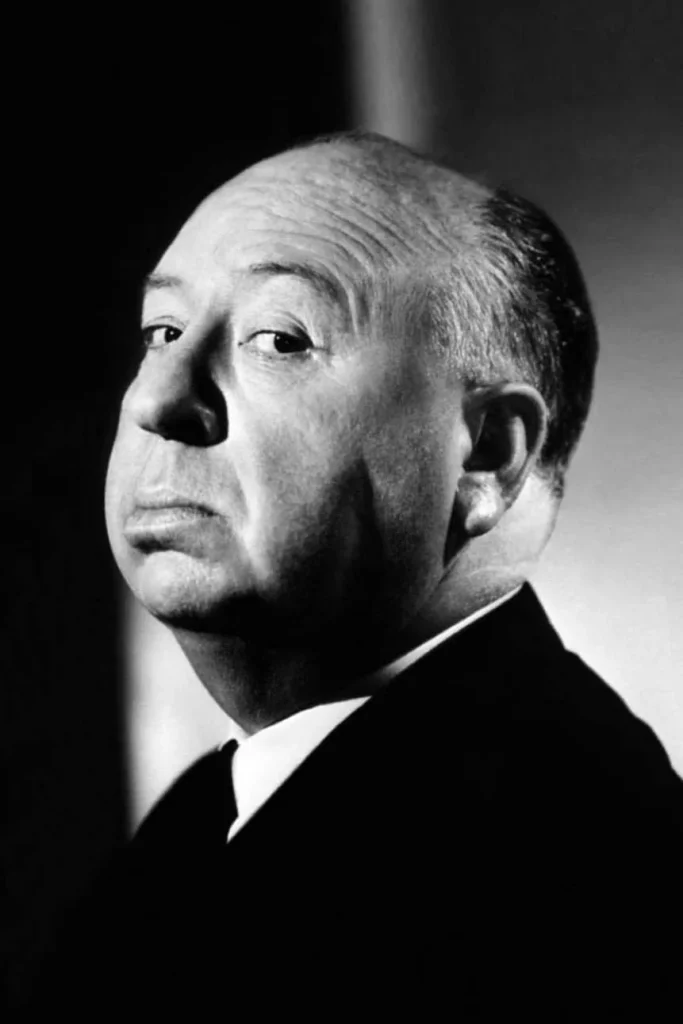
In terms of other filmmakers who excel in similar veins of suspense and character-driven horror, exploring the works of Alfred Hitchcock 🛍️ is always a good idea. His mastery of suspense and psychological tension in films like “Psycho” and “Rear Window” shares a thematic kinship with “Misery.” More contemporary directors like Jordan Peele (“Get Out,” “Us”) have also demonstrated a remarkable ability to blend social commentary with unsettling horror, creating films that linger long after the credits roll.
Conclusion: A Timeless Tale of Obsession
“Misery” remains a potent and terrifying film, a testament to the power of Stephen King’s storytelling and Rob Reiner’s masterful direction. It’s a film that eschews cheap scares for a deep, unsettling dread that stems from the all-too-real possibility of human obsession and cruelty. Kathy Bates’ Oscar-winning performance as Annie Wilkes is a career-defining role, creating a villain who is both horrifyingly memorable and disturbingly complex.
The film’s enduring appeal lies in its tight narrative, its claustrophobic atmosphere, and its unflinching exploration of a dark, twisted relationship. It serves as a chilling reminder that sometimes, the greatest dangers lurk not in the shadows, but in the fervent adoration of those closest to us. “Misery” is more than just a horror movie; it’s a cautionary tale about the power of fandom, the fragility of sanity, and the terrifying lengths to which obsession can lead.
Whether you’re a seasoned horror aficionado or a newcomer to the genre, “Misery” is a film that demands to be seen. It’s a masterclass in suspense, a showcase for incredible acting, and a chillingly effective exploration of the darker side of human nature. So, if you’re looking for a film that will truly get under your skin and stay with you, look no further than this unforgettable tale of a writer trapped by his biggest fan.
Related Products on Amazon:

We may earn a small commission from purchases made through these links.

Leave a Reply