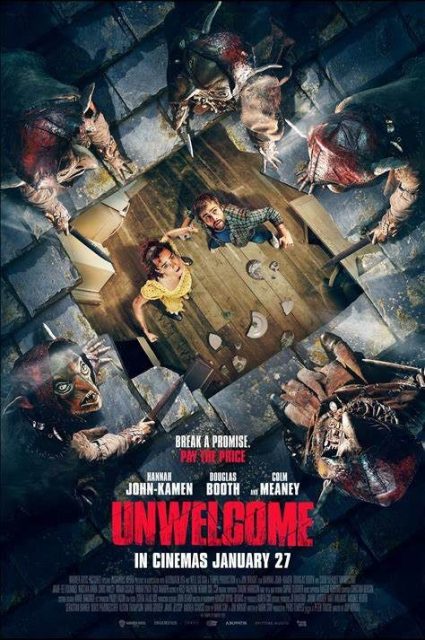
Folklore Horror
Folklore horror is a horror subgenre rooted in myths, legends, rituals, and cultural traditions—the stories societies tell to explain the unknown. Instead of relying on modern monsters or urban settings, folklore horror draws its terror from ancient beliefs, communal fears, and the supernatural rules of a specific culture.
What defines folklore horror
- Mythic origins — The threat comes from traditional stories: spirits, curses, gods, monsters, or rituals passed down through generations.
- Rural or isolated settings — Villages, forests, mountains, and old-world communities where tradition outweighs modern logic.
- Cultural specificity — Each story is tied to a particular culture’s beliefs (Norse, Celtic, Indigenous, Slavic, Japanese, etc.).
- Ritual and tradition — Characters confront ceremonies, taboos, or customs they don’t fully understand.
- Nature as a force — The environment often feels alive, ancient, and hostile.
- Moral or cautionary tone — Folklore horror frequently echoes the warnings embedded in old tales.
Why folklore horror feels so unsettling
Folklore horror taps into collective memory—stories told long before electricity, science, or modern explanations. It suggests that some fears are older than civilization and cannot be reasoned away. The horror feels inevitable, cyclical, and deeply rooted in human history.