
Introduction
William Lustig’s Maniac Cop (1988) occupies a distinctive place in late‑80s horror, emerging at a time when slashers dominated the genre, and New York City’s real‑world tensions often bled into its cinematic portrayals. The film builds its premise around a simple but striking inversion: a police officer—traditionally a symbol of protection—becomes the source of fear. Directed by Lustig and written by Larry Cohen, the project combines their established sensibilities in exploitation cinema and socially aware genre storytelling. The result is a film that blends straightforward thriller mechanics with themes of public distrust, institutional failure, and urban anxiety.

Maniac Cop (1988) Lustig’s depiction of New York retains the gritty, street‑level perspective seen in his earlier work, framing the city as a place where authority can feel as threatening as crime itself. Cohen’s script reinforces this tone, layering the narrative with commentary while maintaining the pace and structure of a commercial horror film. Their collaboration gives Maniac Cop a tone that is both pulpy and pointed, situating it within the broader cultural concerns of its era.
The film’s lasting reputation stems largely from its central concept and its cast of recognizable genre performers. Rather than relying solely on shock value, Maniac Cop uses its antagonist as a symbol of distorted authority, turning a familiar figure into an embodiment of fear. This approach has helped the film maintain its status as a notable entry in 1980s horror, continuing to draw interest from fans and scholars of the genre decades after its release.
Short summary (non-spoiler)
Maniac Cop presents a stark urban nightmare in which a series of brutal murders is carried out by an assailant dressed in a police uniform. As the killings escalate, New York City is thrown into fear and confusion, with citizens unsure whether the threat comes from a lone impostor or someone within the ranks of law enforcement itself.
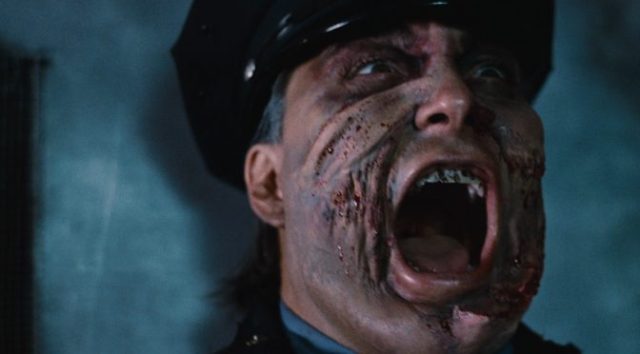
The authorities struggle to contain the panic while attempting to uncover the identity of the killer, whose use of the badge turns every encounter with authority into a source of suspicion. The film builds tension around this central mystery, using the premise to explore the fragility of public trust in a city already on edge.
Plot synopsis
Spoilers
The narrative of Maniac Cop unfolds with a chilling simplicity, immediately establishing a profound sense of dread and urban paranoia. The film opens with a series of brutal and inexplicable murders plaguing the streets of New York City. The victims are innocent citizens, and the perpetrator is unmistakably dressed in a police uniform.
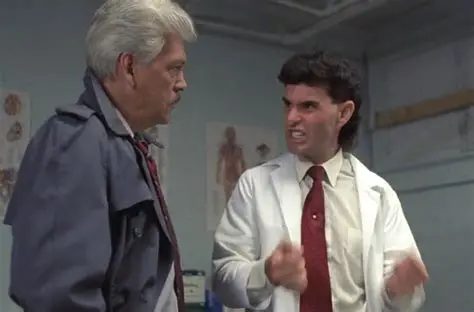
This central conceit immediately subverts the audience’s expectations and societal norms, transforming a figure of authority and protection into an emblem of terror. The initial attacks are designed to shock and disorient, not just the characters within the film, but also the viewer, who is forced to confront the unsettling idea that safety can be so easily perverted.

As the body count rises and the pattern of violence becomes undeniable, the city descends into a state of fear. The public’s trust in the police force rapidly erodes, leading to widespread panic and suspicion. The police department itself is thrown into disarray, grappling with the unprecedented challenge of identifying and apprehending a killer who operates under the guise of their own uniform.
This internal conflict and the external pressure from a terrified populace form the backbone of Maniac Cop‘s tension. The very institution designed to uphold law and order finds itself under attack, both literally and figuratively, by one of its own.
The film meticulously builds an atmosphere of dread, where every siren, every flashing blue light, and every glimpse of a police officer becomes a potential source of terror rather than reassurance. The killer’s modus operandi, while not explicitly detailed in the provided synopsis, implies a methodical and relentless approach, designed to maximize fear and chaos. The narrative focuses on the struggle to comprehend and combat this new, horrifying threat. The investigation is hampered by the killer’s disguise, making it difficult to distinguish between legitimate officers and the murderous imposter. This ambiguity is a key element of the film’s horror, forcing characters and audience alike to question who can be trusted.
The core of the plot revolves around the hunt for this elusive and terrifying figure. The authorities must navigate a landscape of public outrage, internal suspicion, and the very real danger posed by the Maniac Cop. The film explores the psychological toll this takes on the police force, as they are forced to confront the possibility of a monster within their ranks. The climax, while not detailed in the provided information, can be inferred to be a desperate confrontation, a final stand against a force that has systematically dismantled the city’s sense of security. Maniac Cop is a relentless journey into the heart of urban fear, where the thin blue line is not just crossed, but utterly shattered, leaving behind a trail of blood and shattered trust.
Cast & key crew
The success of Maniac Cop is undeniably bolstered by its formidable cast, a collection of genre stalwarts and respected actors who bring gravitas and authenticity to their roles. The film benefits immensely from their collective presence, elevating the material beyond typical exploitation fare.
- Tom Atkins as Frank McCrae: A true icon of 80s horror and thrillers, Atkins brings his signature grizzled charm and world-weariness to the role. Known for his roles in films like Halloween III: Season of the Witch and The Fog, Atkins has a unique ability to portray characters who are both cynical and deeply committed, often finding themselves in over their heads. His presence immediately grounds the film in a sense of lived-in realism, making the extraordinary events feel more palpable. Wikipedia: Tom Atkins
- Bruce Campbell as Jack Forrest: Another beloved figure in horror, particularly for his iconic portrayal of Ash Williams in the Evil Dead series, Campbell brings his distinctive blend of everyman heroism and wry humor to Maniac Cop. His characters often possess a relatable vulnerability that makes their struggles against supernatural or monstrous forces all the more compelling. Campbell’s involvement signals a certain knowing wink to genre fans, while his performance delivers genuine tension and dramatic weight. Wikipedia: Bruce Campbell
- Laurene Landon as Theresa Mallory: Landon, known for her strong, assertive roles in action and horror films, provides a crucial female perspective and a formidable presence in the cast. Her characters often embody resilience and determination, standing toe-to-toe with their male counterparts. Her inclusion adds a dynamic energy to the ensemble, ensuring that the film’s female characters are not mere victims but active participants in the unfolding drama. Wikipedia: Laurene Landon
- Richard Roundtree as Commissioner Pike: A legendary actor whose career spans decades, most famously as the titular Shaft, Roundtree brings an undeniable authority and gravitas to his role as Commissioner Pike. His presence lends a sense of institutional weight and the immense pressure faced by law enforcement in the face of such an unprecedented crisis. Roundtree’s commanding screen presence ensures that the bureaucratic struggle against the Maniac Cop feels as real and impactful as the physical threat. Wikipedia: Richard Roundtree
- William Smith as Captain Ripley: A prolific character actor with a commanding physical presence, Smith often played tough, authoritative figures. His inclusion adds another layer of veteran police presence, contributing to the film’s gritty realism.
- Robert Z’Dar as Matt Cordell: While the synopsis does not detail the killer’s identity, Z’Dar’s distinctive facial features and imposing physique make him an unforgettable presence. His physical attributes are perfectly suited for portraying a relentless, almost inhuman force of nature, embodying the terrifying figure of the Maniac Cop.
- Sheree North as Sally Noland: A seasoned actress with a career spanning film, television, and stage, North brings a touch of seasoned professionalism to her role, adding depth to the supporting cast.
- Nina Arvesen as Regina Sheperd: Arvesen contributes to the ensemble, rounding out the cast with her performance.
Behind the camera, the film boasts a powerhouse creative team:
- William Lustig (Director): Lustig is a master of urban horror and exploitation cinema. His directorial style is characterized by a raw, unflinching realism, often set against the backdrop of a decaying, dangerous New York City. His films, like Maniac, delve into the darker aspects of human nature and societal breakdown, making him the ideal choice to helm a project as cynical and brutal as Maniac Cop. His vision ensures the film maintains a gritty, visceral edge.
- Larry Cohen (Producer, Writer): Cohen is a legendary figure in independent cinema, known for his idiosyncratic and often satirical genre films. As a writer, his scripts are typically sharp, witty, and infused with social commentary, often exploring themes of institutional corruption and the monstrous within society. As a producer, he championed unique visions. His involvement as both writer and producer for Maniac Cop ensures the film possesses a strong narrative backbone and a thematic depth that elevates it beyond a simple slasher. His influence is palpable in the film’s subversive premise and its critical undertones regarding authority.
The combination of Lustig’s directorial prowess and Cohen’s sharp writing, coupled with a cast of such caliber, creates a horror film that is not only thrilling but also remarkably well-crafted and thought-provoking.
Production & trivia
Detailed production records for Maniac Cop are limited, and publicly available documentation does not provide extensive behind‑the‑scenes accounts. This is not unusual for independently produced genre films of the late 1980s, many of which were made outside the studio system and were not accompanied by comprehensive production notes or archival materials.
What is clear is that the film was directed by William Lustig and written by Larry Cohen, two filmmakers known for working efficiently within the independent horror and exploitation landscape. Like many productions of its time, Maniac Cop was shot on location in New York City, a setting that contributes significantly to its tone and visual identity. The film’s cast includes several established genre actors, and its practical effects and street‑level aesthetic reflect common filmmaking practices of the period.
Although specific production trivia is scarce, the film’s impact is well documented. Maniac Cop went on to generate sequels and develop a lasting cult following, securing its place within 1980s horror cinema. Its central concept—a killer in a police uniform—remains one of its most recognizable elements and has contributed to its continued discussion among fans and genre historians.
Analysis
Maniac Cop is far more than a straightforward slasher; it’s a deeply unsettling piece of social commentary wrapped in the visceral package of 80s horror. Its brilliance lies in its audacious premise: the ultimate betrayal of trust. The police officer, a figure universally recognized as a symbol of protection and order, is transformed into an indiscriminate killer. This subversion strikes at a fundamental societal pillar, creating a horror that is not just about physical threat but about the erosion of faith in institutions.
Themes of Urban Paranoia and Betrayal
The film masterfully taps into the pervasive urban paranoia that characterized much of 1980s cinema. New York City, often depicted as a vibrant melting pot, is here presented as a dangerous, unpredictable labyrinth where safety is an illusion. The Maniac Cop embodies the ultimate fear of the city dweller: that the very people sworn to protect them are, in fact, the greatest threat. This theme of betrayal is central. It’s not just a random killer; it’s a killer wearing a uniform, carrying a badge, and driving a patrol car. This visual immediately communicates a profound sense of institutional failure and corruption, suggesting that the rot comes from within.
The film forces its audience to confront the uncomfortable question: Who do you turn to when the protectors become the predators? This question resonates deeply, particularly in an era where public trust in authority figures was often scrutinized. The Maniac Cop is a physical manifestation of societal anxieties about power, accountability, and the potential for those in positions of authority to abuse their power. It’s a cynical view of the “thin blue line,” suggesting that it can be easily breached, not by external forces, but by its own members.
Genre Blending and Subversion
While often categorized as a slasher, Maniac Cop skillfully blends elements of the slasher genre with a police procedural thriller. The slasher elements are evident in the relentless, seemingly unstoppable nature of the killer and the high body count implied by “murdering innocent people.” The Maniac Cop functions as an archetypal slasher villain – silent, powerful, and driven by an unknown (to the audience, based on the synopsis) motive. However, the film transcends typical slasher tropes by embedding its horror within a framework of institutional crisis. The focus isn’t just on the victims, but on the struggle of the police force to understand and contain a threat that undermines their very existence.
The thriller aspect comes from the investigation, the internal conflict within the police department, and the desperate hunt for the killer. The ambiguity surrounding the killer’s identity (at least initially, from the audience’s perspective based on the synopsis) adds a layer of mystery and suspense. The film subverts the traditional slasher narrative by making the police not just the investigators, but also potential targets and, more disturbingly, the very symbol of the terror. This creates a unique tension, as the audience is torn between rooting for law enforcement and fearing them.
The Iconography of the Maniac Cop
The visual of the Maniac Cop is instantly iconic and deeply disturbing. The police uniform, usually a symbol of safety and reassurance, is transformed into a terrifying disguise. This simple yet brilliant concept is what makes the villain so effective. The killer doesn’t need a grotesque mask or elaborate costume; the uniform itself is enough to convey the horror. It’s a uniform that promises protection but delivers death, a perversion of its intended purpose. This iconography ensures the Maniac Cop stands out in a crowded field of 80s horror villains, becoming a memorable figure not just for his actions, but for what he represents.
William Lustig’s Gritty Aesthetic and Larry Cohen’s Sharp Writing
Director William Lustig’s signature gritty, realistic aesthetic is perfectly suited for the film’s themes. His New York City is not glamorous; it’s a harsh, unforgiving urban landscape, full of shadows and lurking dangers. This visual style enhances the film’s sense of realism and immediacy, making the horror feel more grounded and therefore more terrifying. Lustig’s direction is unflinching, presenting the violence and chaos with a raw intensity that avoids sensationalism for its own sake, instead focusing on the impact of the terror.
Larry Cohen’s screenplay is the intellectual backbone of the film. Cohen is renowned for his ability to infuse genre narratives with sharp social commentary and a cynical wit. In Maniac Cop, his writing elevates the premise beyond simple exploitation. He crafts a narrative that explores the breakdown of societal trust, the pressures on law enforcement, and the chilling idea of a monster operating within the very system designed to protect. Cohen’s dialogue, while not explicitly detailed, can be inferred to be concise and impactful, driving the plot forward while reinforcing the film’s thematic concerns.
The 80s Context
Maniac Cop is very much a product of its time. The 1980s saw a surge in slasher films, often set in suburban or collegiate environments. Maniac Cop distinguishes itself by firmly planting its horror in the urban landscape, reflecting a broader cultural fascination with urban decay, crime, and the perceived dangers of city life. It also taps into a growing cynicism towards authority figures that was prevalent in the era. The film’s practical effects (implied by the era) would have contributed to its visceral impact, grounding the violence in a tangible reality that CGI-heavy films often lack.
In conclusion, Maniac Cop is a potent and enduring horror film because it understands that true terror often stems not from the supernatural, but from the corruption of the familiar. It’s a chilling exploration of trust betrayed, authority perverted, and the nightmare that unfolds when the symbols of safety become instruments of death. Its blend of slasher thrills, police procedural tension, and sharp social commentary ensures its place as a cult classic and a significant entry in 80s horror cinema.
Notable scenes & Easter eggs
Given the constraints of the provided synopsis, which focuses on the core premise rather than specific plot beats, detailing “notable scenes” requires an inference based on the film’s genre and the implications of its central concept. However, the very nature of Maniac Cop suggests certain types of scenes that would be inherently memorable and impactful, driving the film’s horror and thematic concerns.
The Initial Attacks: Establishing the Terror
The opening sequence of murders, where the killer in a police uniform first strikes, would undoubtedly be among the most notable. These scenes are crucial for establishing the film’s central horror: the subversion of a trusted figure. The shock value of seeing a police officer commit heinous acts against innocent people would immediately set a tone of dread and disbelief. These initial encounters would likely be characterized by sudden, brutal violence, designed to disorient both the victims and the audience, making the uniform a symbol of terror rather than safety. The impact of these scenes would be in their ability to shatter the audience’s sense of security and introduce the film’s unique brand of urban paranoia.
The Growing Panic and Public Distrust
As the body count rises, scenes depicting the city’s descent into fear and the public’s eroding trust in the police would be highly significant. These might include scenes of citizens reacting with terror to legitimate police officers, or media reports highlighting the unprecedented crisis. Such moments would underscore the film’s thematic depth, illustrating the widespread societal impact of the Maniac Cop’s actions. The visual of a city gripped by fear, where the very presence of law enforcement becomes a source of anxiety, would be a powerful and memorable aspect of the film.
The Internal Police Struggle
Scenes within the police department, depicting the confusion, frustration, and internal conflict among officers and commanders, would also be notable. These moments would humanize the struggle, showing the immense pressure on those tasked with solving the case while simultaneously battling public outrage and internal suspicion. The tension of officers having to question their own colleagues, or the fear of encountering the Maniac Cop themselves, would add a layer of psychological horror to the narrative. The sight of seasoned officers grappling with a threat that undermines their entire institution would be a compelling aspect of the film.
The Pursuit and Confrontation
While specific chase or confrontation scenes are not detailed, the very premise of a “killer dressed in a police uniform murdering innocent people” implies a relentless pursuit. Any sequences depicting the protagonists actively hunting or being hunted by the Maniac Cop would be central to the film’s action and suspense. These scenes would likely be characterized by Lustig’s gritty, realistic style, emphasizing the physical danger and the desperate stakes involved. The visual of the Maniac Cop, an imposing figure in uniform, relentlessly pursuing his targets through the dark streets of New York, would be a recurring and terrifying image.
Easter Eggs (Inferred)
Without specific plot or production details, identifying concrete “Easter eggs” is impossible. However, given the creative team of William Lustig and Larry Cohen, and the film’s place within 80s genre cinema, one could infer the presence of subtle nods or stylistic choices that serve as “Easter eggs” for discerning fans:
- Lustig’s Urban Landscape: Fans of Lustig’s other works, particularly Maniac, might recognize recurring visual motifs or a similar raw, unflinching portrayal of New York City’s underbelly. The way the city itself functions as a character, a dangerous and unforgiving environment, could be seen as a signature “Easter egg” for his directorial style.
- Cohen’s Social Commentary: Larry Cohen’s scripts often contain sharp, cynical dialogue or plot points that subtly critique societal norms or institutions. Any such moments of pointed social commentary, particularly regarding law enforcement or urban decay, could be considered a thematic “Easter egg” for his writing style.
- Genre Tropes and Homages: As an 80s horror film, Maniac Cop might contain subtle homages or subversions of common slasher or thriller tropes that would be recognizable to genre enthusiasts. This could manifest in specific camera angles, pacing choices, or character archetypes that play with audience expectations established by other films of the era.
- Cast Member Nods: With a cast featuring genre legends like Tom Atkins and Bruce Campbell, there might be subtle character beats or lines of dialogue that playfully reference their previous iconic roles, understood by fans of their respective filmographies.
Ultimately, the most notable aspects of Maniac Cop, even with limited specific details, stem from its powerful central concept and the terrifying implications it explores. The film’s ability to turn a symbol of safety into a source of dread ensures its scenes, even if only imagined through the synopsis, are inherently memorable and impactful.
Reception & box office
Unfortunately, specific reception data and box office numbers for Maniac Cop are not available in the provided information. This lack of initial data is, however, quite common for many independent horror films of the 1980s, particularly those that found their true audience and critical appreciation years, or even decades, after their initial release.
Many films from this era, especially those operating within the exploitation or cult cinema sphere, often flew under the radar of mainstream critics and struggled to achieve significant box office success during their theatrical runs. Their distribution might have been limited, and their marketing budgets modest, leading to an initial quiet reception. However, it is precisely these types of films that often go on to achieve legendary cult status through home video releases, late-night television airings, and word-of-mouth among dedicated genre fans.
Maniac Cop probably followed a similar trajectory. Its audacious premise, combined with the talents of William Lustig, Larry Cohen, and its iconic cast, would have resonated deeply with a niche audience hungry for gritty, uncompromising horror. Over time, as film enthusiasts and critics revisited the era, films like Maniac Cop were re-evaluated and recognized for their unique contributions to the genre. Its blend of slasher thrills, urban paranoia, and social commentary would have been increasingly appreciated, leading to its current standing as a beloved cult classic.
The film’s enduring legacy, evidenced by its sequels and continued discussion among horror fans, speaks volumes about its impact, regardless of its initial commercial or critical performance. For many cult films, true “reception” is measured not in opening weekend numbers or Rotten Tomatoes scores, but in its longevity, its influence on subsequent filmmakers, and its ability to captivate new generations of viewers. Maniac Cop has undoubtedly achieved this, cementing its place as a significant and respected entry in the pantheon of 80s horror.
Recommended editions & where to buy/stream
While specific recommended editions for Maniac Cop are not provided in the data, for a film of its cult stature and age, the pursuit of a high-quality release is often a rewarding endeavor for collectors and enthusiasts. Given that its director, William Lustig, has a strong association with boutique labels specializing in cult and exploitation cinema, it is highly likely that various restored editions exist or have existed.
For films like Maniac Cop, fans typically seek out releases from reputable distributors known for their commitment to preserving and presenting genre cinema in the best possible quality. These often include:
- Blu-ray or 4K UHD Editions: These physical media formats offer the best possible audio and video fidelity, often derived from new 2K or 4K scans of the original film elements. Such editions frequently come packed with bonus features, including director commentaries, interviews with cast and crew, behind-the-scenes documentaries, and original trailers. For a film with a rich history and a dedicated fanbase, these extras provide invaluable context and appreciation.
- Limited Edition Releases: Some boutique labels release limited edition sets that include exclusive artwork, slipcovers, booklets with essays, and other collectibles. These are highly sought after by collectors and can become valuable over time.













To find the best editions and where to purchase them, I recommend the following:
- Specialty Retailers: Check the websites of well-known boutique Blu-ray/4K distributors. These companies often license and restore cult films, ensuring a definitive presentation.
- Online Retailers: Major online marketplaces are good places to search for both new and used physical media. Be sure to check seller reviews and product descriptions carefully to ensure you are getting a legitimate and high-quality release.
- Streaming Services: While physical media often offers the superior experience for cult films, Maniac Cop may also be available for streaming on various platforms. Check subscription services (e.g., Shudder, Tubi, Amazon Prime Video, Hulu, Netflix) or digital rental/purchase platforms (e.g., Apple TV, Google Play Movies, Vudu). Availability can vary by region and change over time, so it’s always worth a search.
- Used Marketplaces: For out-of-print or rare editions, online auction sites or dedicated used media marketplaces can be excellent resources. Exercise caution and verify the condition and authenticity of the product.
Investing in a well-restored edition of Maniac Cop allows viewers to fully appreciate William Lustig’s gritty direction, Larry Cohen’s sharp writing, and the impactful performances of its cast, ensuring that this cult classic continues to terrify and provoke for years to come.
Further reading/filmography suggestions
For those who appreciate the unique blend of urban grit, social commentary, and visceral horror found in Maniac Cop, exploring the broader filmographies of its key creative talents and cast members is highly recommended. These individuals have left an indelible mark on genre cinema, and their other works often share thematic or stylistic similarities.
From the Director: William Lustig
- Maniac (1980): Lustig’s most infamous film, a raw and disturbing portrait of a serial killer in New York City. It shares Maniac Cop‘s unflinching gaze at urban decay and psychological horror.
- Vigilante (1983): A gritty revenge thriller that further showcases Lustig’s mastery of urban action and his exploration of justice outside the law.
- Relentless (1989): Another police-themed thriller from Lustig, demonstrating his continued interest in crime and the darker side of city life.
From the Writer/Producer: Larry Cohen
- It’s Alive (1974): A classic horror film with a strong social commentary, typical of Cohen’s style, about a monstrous baby.
- God Told Me To (1976): A unique and thought-provoking thriller exploring religious fanaticism and serial murder, showcasing Cohen’s ability to blend genre with deeper themes.
- Q: The Winged Serpent (1982): A creature feature set in New York City, featuring Cohen’s signature blend of B-movie thrills and quirky characterizations.
- The Stuff (1985): A satirical horror film about a killer dessert, demonstrating Cohen’s sharp wit and critique of consumerism.
Featuring the Cast:
- Tom Atkins:
- The Fog (1980): John Carpenter’s atmospheric ghost story, where Atkins delivers a memorable performance.
- Halloween III: Season of the Witch (1982): Atkins takes the lead in this divisive but fascinating entry in the Halloween franchise, showcasing his everyman charm.
- Night of the Creeps (1986): A beloved cult horror-comedy where Atkins shines as a cynical detective.
- Bruce Campbell:
- The Evil Dead (1981), Evil Dead II (1987), Army of Darkness (1992): The iconic trilogy that cemented Campbell’s status as a horror legend, showcasing his unique blend of horror and comedy.
- Bubba Ho-Tep (2002): A critically acclaimed film where Campbell plays an aging Elvis Presley battling an ancient mummy.
- Laurene Landon:
- Hundra (1983): A sword-and-sorcery film where Landon plays a fierce warrior, highlighting her strong physical presence.
- Airport ’79: The Concorde (1979): An early role in a disaster film, showing her versatility.
- Richard Roundtree:
- Shaft (1971): The groundbreaking blaxploitation film that made Roundtree an icon, defining cool for a generation.
- Earthquake (1974): A major disaster film where Roundtree plays a significant supporting role.
- Seven (1995): A small but impactful role in David Fincher’s acclaimed thriller.
Exploring these films provides a deeper understanding of the creative forces behind Maniac Cop and offers a rich tapestry of genre cinema that shares its spirit of independent filmmaking, compelling storytelling, and often, a darkly cynical view of the world.
Conclusion
Maniac Cop (1988) stands as a powerful and enduring testament to the ingenuity and subversive spirit of 1980s independent horror cinema. Under the masterful direction of William Lustig and with a sharp, socially conscious script by Larry Cohen, the film transcends its slasher roots to deliver a chilling exploration of urban paranoia, institutional betrayal, and the ultimate perversion of trust. Its premise—a killer dressed in a police uniform preying on innocent citizens—is not merely a gimmick but a profound commentary on the erosion of faith in authority, a theme that remains disturbingly relevant decades later.
The film’s strength lies in its ability to transform a universal symbol of safety into an emblem of terror. The Maniac Cop himself is an instantly iconic villain, his uniform a chilling disguise that amplifies the horror of his actions. This central conceit, combined with Lustig’s gritty, unflinching portrayal of New York City’s underbelly, creates an atmosphere of pervasive dread that is both visceral and psychologically unsettling. The film doesn’t just scare; it provokes thought about the fragility of order and the potential for corruption within the very systems designed to protect us.
Furthermore, the film is elevated by its exceptional cast, featuring genre legends like Tom Atkins, Bruce Campbell, Laurene Landon, and Richard Roundtree. Their collective talent brings a depth and authenticity to the characters, grounding the extraordinary events in a relatable human struggle against an incomprehensible threat. Their performances ensure that the film’s dramatic stakes feel real, making the audience invest not just in the horror but in the desperate fight for survival and justice.
While specific initial reception and box office data may be elusive, Maniac Cop has undeniably carved out a significant place in horror history as a beloved cult classic. Its influence can be seen in subsequent genre films that explore similar themes of corrupted authority and urban terror. It is a film that rewards repeat viewings, revealing new layers of social commentary and appreciating its masterful execution. For anyone seeking a horror film that is both thrillingly entertaining and intellectually resonant, Maniac Cop remains an essential watch, a stark reminder that sometimes, the greatest monsters are those who hide in plain sight, wearing the uniform of our protectors.