Let’s roll the clock back to 2016, when horror was absolutely on one. Indie darlings, big studio sequels, and international gems were all hitting at once, and it felt like every month had at least one new title worth staying up too late for. This rundown pulls together some of the standouts from that year — the ones people still bring up in comment sections and late‑night “what should I watch?” chats.
Think of this as a cozy little time capsule: not a definitive list of every release, but a hand‑picked batch that shows how weird, stylish, and surprisingly emotional horror got in 2016. If you missed any of these the first time around, consider this your nudge to finally tick them off the watchlist.

The VVitch
The Witch is one of those movies that quietly gets under your skin and just stays there. It’s slow, it’s bleak, and it absolutely refuses to hold your hand while this Puritan family falls apart on the edge of a creepy New England forest. The tension isn’t about jump scares so much as that awful feeling that something is fundamentally wrong, and nobody has the language or the freedom to admit it.

If you like your horror with a side of religious guilt, family drama, and “did that really just happen?” moments, this is a must‑watch. It’s the kind of film that sparks debates about what was real, what was imagined, and who, if anyone, deserved what happened. Not a popcorn flick — more like a slow, unsettling nightmare you think about days later.







Train to Busan
Train to Busan is the movie you show people when they say, “I’m tired of zombie films.” It takes a simple setup — a dad and his daughter on a train during an outbreak — and turns it into a full‑on emotional rollercoaster. The zombies are fast, vicious, and relentless, but what really hits is how quickly the situation brings out the best and worst in everyone trapped on board.

By the time the third act hits, you’re not just watching for the action; you’re genuinely invested in who makes it and what it costs them. It’s thrilling, surprisingly heartfelt, and packed with set pieces that still hold up against anything released since. If you somehow skipped this one, it’s absolutely worth correcting that.




Don’t Breathe
Don’t Breathe starts with a simple “bad idea” premise: a group of young thieves decides to rob a blind man they assume will be an easy target. Within minutes, that assumption goes out the window, and the movie turns into a tense, claustrophobic game of cat and mouse inside his house. The sound design does a lot of heavy lifting here — every creak, breath, and misstep feels like it could get someone killed.

What makes it stand out is how your sympathies keep shifting as the story gets darker and more twisted. Nobody in this movie is completely innocent, and the deeper you get into the house, the more messed‑up secrets you uncover. It’s lean, mean, and perfect if you’re in the mood for a nasty little pressure‑cooker thriller.



The Conjuring 2
The Conjuring 2 is James Wan doing what he does best: big, glossy, old‑school haunted house horror with just enough heart to keep you emotionally hooked. This time, the Warrens head to Enfield, England, to help a single mum and her kids who are being tormented by something that really doesn’t want them in that house. The film leans hard into atmosphere — creaking floors, shadowy hallways, and that now‑iconic demonic nun.

It’s the kind of movie that’s perfect for a lights‑off, sound‑up viewing, especially if you enjoy classic possession and haunting stories. The scares are big and theatrical, but there are also quieter moments that make the family feel like real people instead of just ghost fodder. If you liked the first film, this is a very solid follow‑up that expands the Warrens’ world without feeling like a retread.

10 Cloverfield Lane
10 Cloverfield Lane is one of those movies where you’re never quite sure who to trust, and that’s exactly what makes it so fun. A woman wakes up in an underground bunker with two men who claim the outside world has become uninhabitable after some kind of attack. From there, it’s all about tension, suspicion, and trying to figure out whether the real danger is outside the bunker or sitting across the table.

John Goodman absolutely steals the show with a performance that swings between oddly caring and deeply unsettling. It’s more psychological thriller than straight‑up monster movie, but when the genre elements kick in, they really land. If you like small‑scale stories with big paranoia energy, this one’s a great pick.



Lights Out
Lights Out takes a simple childhood fear — the dark — and weaponizes it in a really fun way. The entity in this film can only appear when the lights are off, which means every flick of a switch becomes a mini jump‑scare setup. It’s based on a short film, and you can feel that DNA in how tight and focused the scares are.

Underneath the supernatural stuff, there’s also a story about family, mental health, and how trauma sticks around long after the lights come back on. It’s not the heaviest movie in the world, but it has more emotional weight than you might expect from a “turn the lights off and scream” premise. Great for a quick, punchy horror night.

Raw
Raw is one of those films that gets talked about in hushed tones, usually with a “have you seen it yet?” follow‑up. It follows a young vegetarian starting vet school who, after a hazing ritual, develops a sudden craving for meat — and not just the kind you buy at the supermarket. It’s gory, sure, but it’s also strangely tender and coming‑of‑age at the same time.

If you’re into body horror that actually has something to say about identity, desire, and fitting in, this is absolutely worth your time. It’s not for the squeamish, but it’s also not just shock for shock’s sake. By the end, you feel like you’ve watched someone transform in a way that’s both horrifying and oddly inevitable.

Hush
Hush is a great example of how you don’t need a huge cast or elaborate setting to make something genuinely tense. The film centers on a deaf writer living alone in the woods, who suddenly finds herself stalked by a masked intruder. Because she can’t hear him, the usual “creak behind you” cues are gone, and that flips a lot of familiar home‑invasion beats on their head.
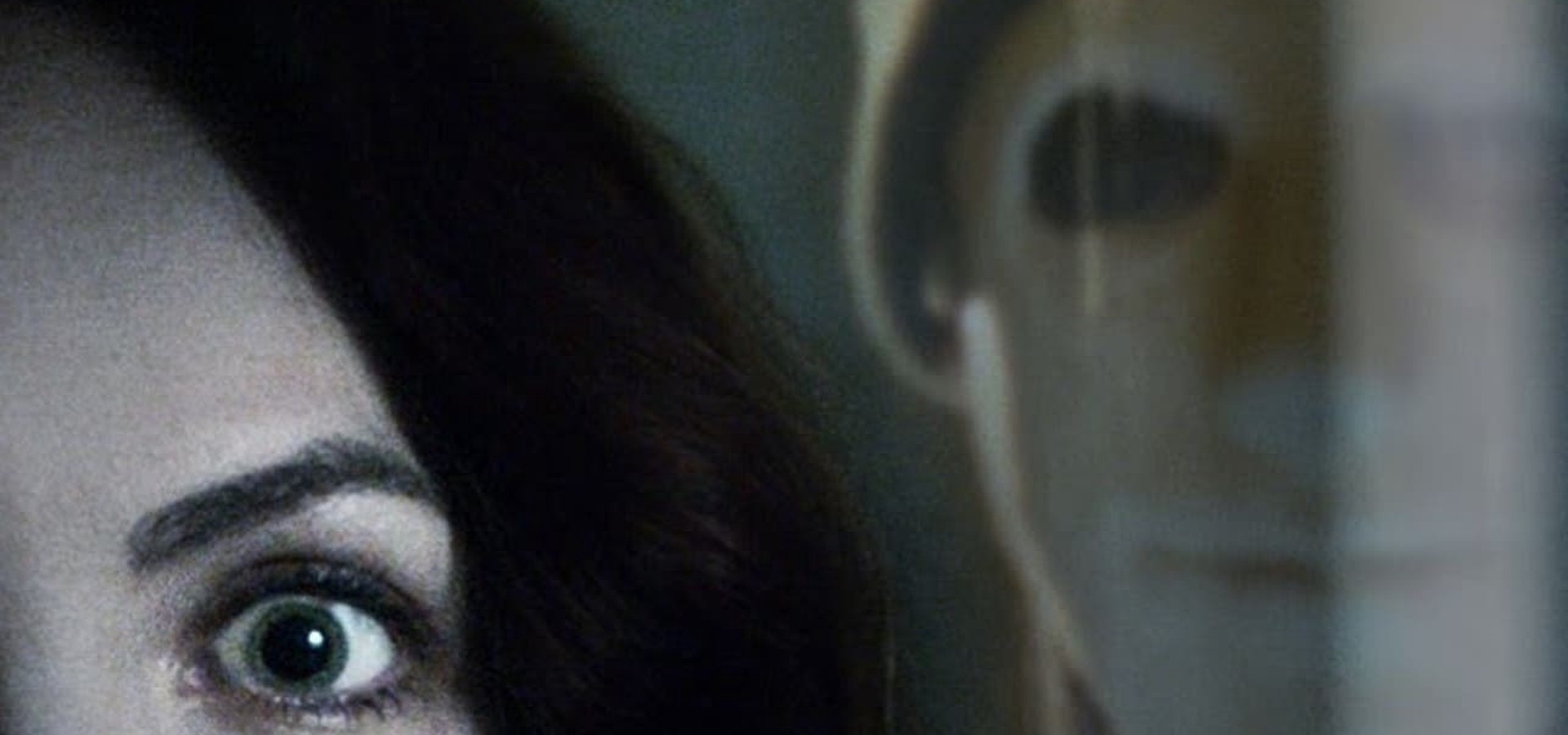
It’s a tight, efficient thriller that doesn’t waste time, and it gives its lead character plenty of agency instead of just making her a victim. If you like smart, stripped‑down horror that plays with perspective and sound, this one’s an easy recommendation — especially for a late‑night Netflix‑style watch.


The Autopsy of Jane Doe
The Autopsy of Jane Doe is basically a haunted house movie disguised as a morgue mystery, and that’s a big part of its charm. A father‑and‑son coroner team is tasked with figuring out what happened to an unidentified body, and the deeper they get into the autopsy, the stranger things become. The film spends a lot of time in one location, but it never feels static — the tension just keeps ratcheting up.

It’s creepy in a very specific way: quiet, clinical, and then suddenly very wrong. If you like horror that starts grounded and slowly slides into the supernatural, this is a great pick. Also, it’s one of those movies where the less you know going in, the better, so if you haven’t seen it yet, maybe stop reading and just queue it up.




Blair Witch
Blair Witch tries to drag the found‑footage legend into the 2010s with better tech, more characters, and a direct connection to the original film. A new group heads into the Black Hills Forest to uncover what really happened years ago, armed with drones, earpiece cameras, and all the gear you’d expect from modern urban explorers. Naturally, the forest does not care about any of that.

If you’re into found‑footage chaos, this delivers plenty of shaky‑cam panic and “what was that?” moments in the dark. It doesn’t reinvent the genre, but it does lean into the mythology in some fun ways and ramps up the intensity in the final stretch. Worth a watch if you have a soft spot for the original or just enjoy people making terrible decisions in the woods.

Ouija: Origin of Evil
Ouija: Origin of Evil is one of those rare prequels that’s actually better than the movie that spawned it. Set in the 1960s, it follows a widowed mother who runs a fake séance business with her daughters, only for things to get very real when they bring an Ouija board into the mix. Once the youngest daughter starts acting… off, you know you’re in for it.

Mike Flanagan brings his usual mix of character‑driven storytelling and well‑timed scares, so it never feels like a cheap cash‑in. There are some genuinely creepy moments, but also enough heart to make you care about what happens to this family. If you wrote this off because of the first Ouija movie, it’s worth giving this one a shot.

The Wailing
The Wailing is a slow-burning, genre‑blending horror film that feels like a folk tale, a crime story, and a supernatural nightmare all at once. It follows a bumbling local cop in a rural Korean village where a mysterious illness and a string of brutal deaths start to spread. Every time you think you’ve got a handle on what’s going on, the movie shifts gears.

It’s long, but it earns the runtime with atmosphere, character work, and a creeping sense of dread that never really lets up. By the end, you’re left questioning who, if anyone, actually understood what was happening. If you like horror that leaves you unsettled and a little confused in the best way, this is a fantastic pick.



Under the Shadow
Under the Shadow blends wartime drama with supernatural horror in a way that feels really fresh. Set in Tehran during the Iran–Iraq War, it follows a mother and her young daughter who may or may not be haunted by a djinn after a bomb hits their building. The constant threat from the outside world makes the haunting feel even more suffocating.

It’s a quieter film, more about mood and anxiety than big jump scares, but when it wants to be scary, it absolutely can be. The relationship between mother and daughter gives the story real emotional weight, and the political backdrop adds an extra layer of tension. Great if you’re in the mood for something atmospheric and a bit different from the usual haunted‑house setup.

The Neon Demon
The Neon Demon is stylish, divisive, and absolutely not subtle about how vicious the fashion world can be. It follows a young model who moves to Los Angeles and quickly discovers that beauty is both currency and a curse. The film is drenched in neon, synths, and surreal imagery, so even when not much is “happening,” it’s still hypnotic to look at.

This is definitely more on the artsy, slow‑burn side of horror, with bursts of full‑on weirdness that either totally work for you or don’t at all. If you’re into movies that feel like a bad dream you can’t quite shake, this is worth a spin. Just don’t go in expecting a conventional scare‑fest — this one’s more about vibe and decay than jump scares.